Buy vermögensverwaltung.eu ?
We are moving the project
vermögensverwaltung.eu .
Are you interested in purchasing the domain
vermögensverwaltung.eu ?
domain@kv-gmbh.de · 0541-91531010
Buy vermögensverwaltung.eu ?
Which tangible assets for investment?
Tangible assets for investment can include real estate properties, such as residential or commercial buildings, land, or rental properties. Other tangible assets may include precious metals like gold and silver, artwork, collectibles, or even vintage cars. These assets have the potential to appreciate in value over time and can provide a source of passive income through rental yields or capital appreciation upon resale. It is important to carefully research and evaluate the market conditions and potential risks associated with each type of tangible asset before making an investment decision. **
From when does assets count as exempt assets?
Assets are considered exempt assets when they meet specific criteria set by the government or relevant authorities. These criteria may include the type of asset, its value, and the purpose for which it is held. Exempt assets are typically protected from being seized or liquidated in certain situations, such as bankruptcy or legal proceedings. It is important to understand the rules and regulations governing exempt assets to ensure proper protection and planning for financial security. **

Similar search terms for Assets
Top-Angebote
Products related to Assets:
-
Quercus Publishing The Wealth Habit by Ken & Mary Okoroafor - Sunday Times Bestseller - Paperback - Personal Finance Book for AdultsThe Wealth Habit is a guide to building lasting wealth through small, repeatable habits. Written by money experts Ken and Mary Okoroafor, the founders of The Humble Penny, this book shows that financial freedom is not reserved for the lucky few. Drawing on their own journey to financial independence, achieved debt-free by age 34, the authors offer a behaviour-first system for building wealth. This accessible and motivating read is perfect for anyone looking to change their relationship with money, one simple daily action at a time. Published by Quercus Publishing, this paperback is a Sunday Times bestselling guide to achieving financial freedom through small, achievable steps.6,99 £*Shipping: 2,99 £Secure redirect to the provider
-
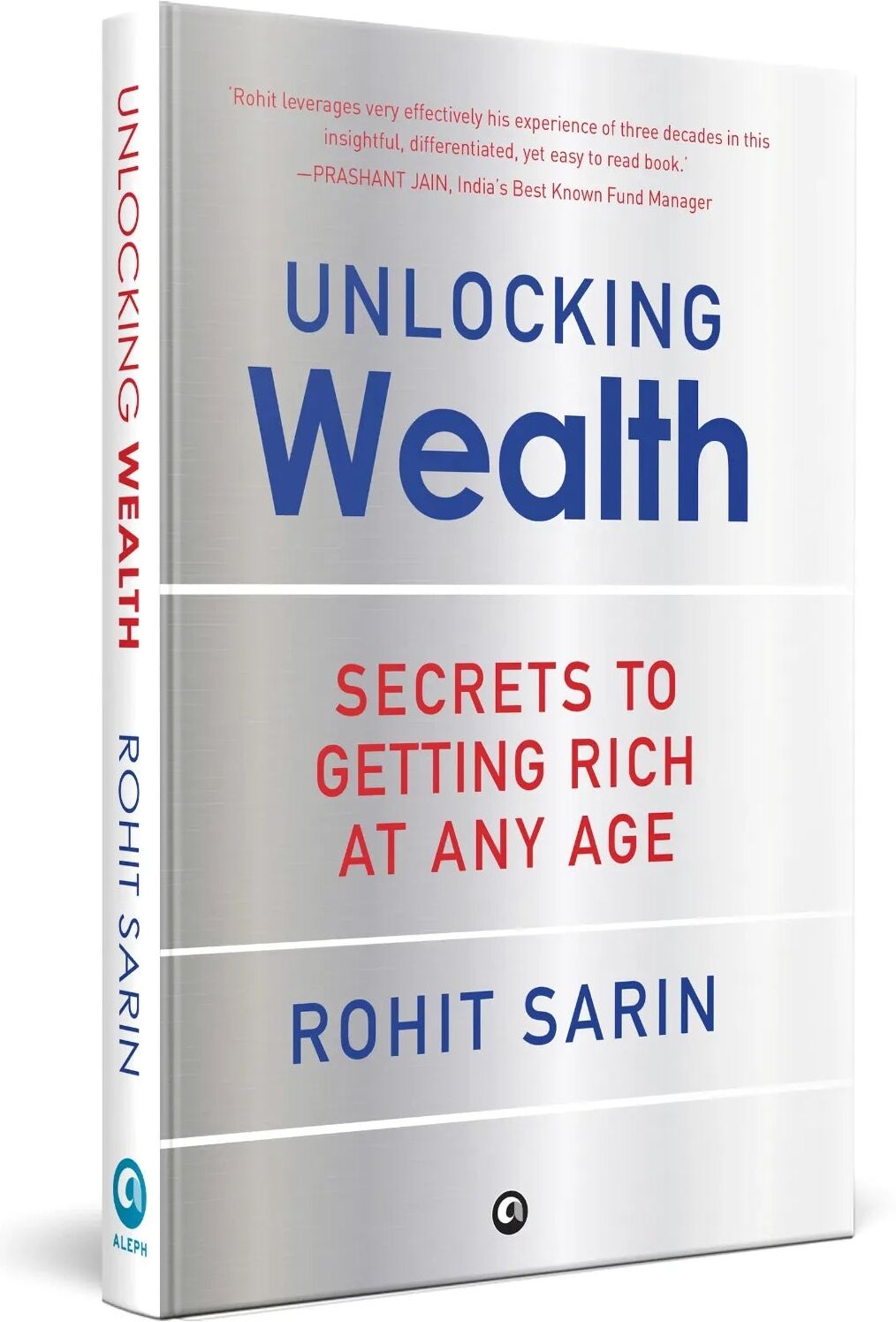
Unlocking Wealth: Secrets to Getting Rich at Any Age by Rohit Sarin - Personal Finance Hardback - Aleph Book Company -Unlocking Wealth: Secrets to Getting Rich at Any Age by Rohit Sarin is a practical guide to building lasting financial security. Written by wealth management veteran Rohit Sarin, this book draws on nearly three decades of advising some of India's wealthiest families. Sarin breaks down the mindset, habits, and strategies that separate those who build real wealth from those who don't. The book offers clear, actionable guidance on smart saving habits, sound investment principles, calculated risk-taking, and the psychological traps that keep people from building real wealth. Whether you're starting your career or already managing a substantial portfolio, this hardback provides useful insights for anyone looking to build lasting financial security.2,99 £*Shipping: 2,99 £Secure redirect to the provider
-
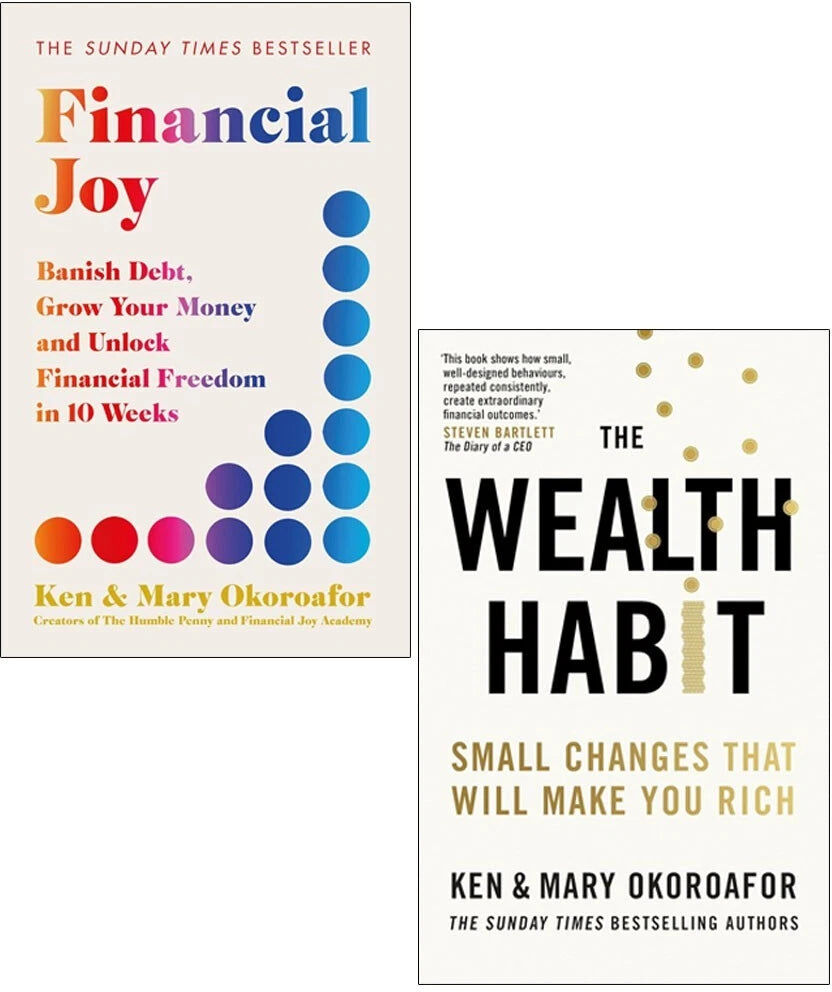
Quercus Publishing Financial Joy & The Wealth Habit by Ken & Mary Okoroafor - Paperback 2 Book Set - Personal Finance & Money HabitsAchieve financial freedom with this two-book collection by Ken and Mary Okoroafor. The set includes 'Financial Joy' and 'The Wealth Habit', two paperbacks that offer a complete roadmap to financial independence. Written from the authors' lived experience, this collection combines practical budgeting steps with small daily habits that compound into lasting wealth. The authors, founders of The Humble Penny and The Financial Joy Academy, share the strategies they used to pay off their mortgage and achieve financial independence by age 34. This set is ideal for anyone starting or restarting their money journey, and provides a life-changing plan to help readers turn their finances around while still enjoying life.13,99 £*Shipping: 2,99 £Secure redirect to the provider
-
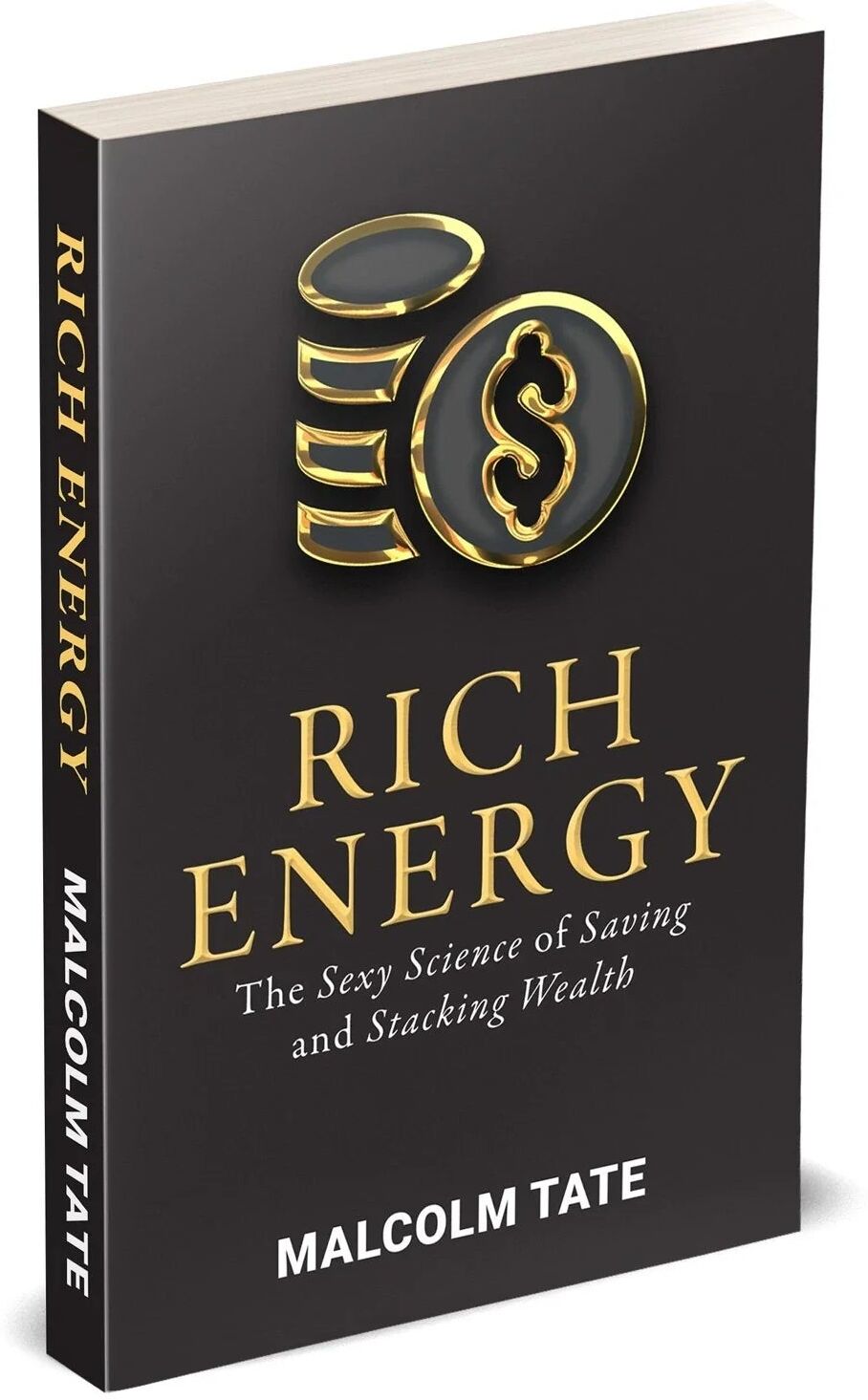
Rupa Publications RICH ENERGY: The Sexy Science of Saving & Stacking Wealth by Malcolm Tate - Paperback - Personal Finance & Money Mindset BookRich Energy: The Sexy Science of Saving; Stacking Wealth by Malcolm Tate is a contemporary take on personal finance that treats money as a mindset rather than a magic trick. Author Malcolm Tate reframes saving, spending, and investing as everyday habits rather than distant goals, giving readers a confident and accessible entry point into building lasting financial wellbeing without the jargon or judgment usually attached to money advice. This paperback book approaches personal finance as a lifestyle upgrade, focusing on the psychology behind spending triggers, the quiet discipline behind consistent saving, and the confidence that comes from understanding your financial situation. Published by Rupa Publications, this book offers a fresh perspective on managing your finances and achieving financial stability.2,99 £*Shipping: 2,99 £Secure redirect to the provider

-
What is the difference between current assets and fixed assets?
Current assets are assets that are expected to be converted into cash or used up within one year, such as cash, accounts receivable, and inventory. Fixed assets, on the other hand, are long-term assets that are not expected to be converted into cash within one year, such as property, plant, and equipment. In summary, current assets are short-term assets that are expected to be used up or converted into cash within one year, while fixed assets are long-term assets that are used to generate income over a longer period of time. **
-
What is the difference between fixed assets and current assets?
Fixed assets are long-term assets that a company owns and uses to generate revenue, such as buildings, machinery, and equipment. These assets are not easily converted into cash and are expected to provide benefits to the company for more than one year. On the other hand, current assets are short-term assets that can be easily converted into cash within one year, such as cash, accounts receivable, and inventory. Current assets are used to support the day-to-day operations of a business and are essential for its liquidity and short-term financial health. **
-
What is the difference between net assets and operating assets?
Net assets refer to the total assets of a company minus its total liabilities, representing the company's equity or ownership value. On the other hand, operating assets are the assets that a company uses in its day-to-day operations to generate revenue. Operating assets are a subset of net assets and include items such as inventory, equipment, and accounts receivable. In summary, net assets represent the overall financial position of a company, while operating assets specifically pertain to the assets used in the company's core business activities. **
-
How is equity, debt capital, current assets, and fixed assets combined?
Equity, debt capital, current assets, and fixed assets are combined on a company's balance sheet. Equity represents the ownership interest of the shareholders, while debt capital represents the funds borrowed by the company. Current assets, such as cash, inventory, and accounts receivable, are combined with fixed assets, such as property, plant, and equipment, to represent the total assets of the company. These components are combined to provide a snapshot of the company's financial position and to show how the company has financed its operations and investments. **
What are special assets?
Special assets refer to unique or high-value assets that require special attention and management due to their distinct characteristics or significance. These assets may include rare collectibles, high-end real estate, valuable intellectual property, or unique investment opportunities. Special assets often require specialized expertise and strategic planning to maximize their value and mitigate risks. Proper management of special assets is essential to ensure their preservation and to capitalize on their potential for long-term growth and financial success. **
What are brand assets?
Brand assets are the elements that contribute to the overall value and recognition of a brand. These can include tangible assets such as logos, slogans, and packaging, as well as intangible assets like brand reputation, customer loyalty, and brand associations. Brand assets help to differentiate a brand from its competitors, build brand awareness, and create a strong brand identity in the minds of consumers. They are essential for establishing a brand's presence in the market and fostering long-term relationships with customers. **
Top-Angebote
Products related to Assets:
-
Grandpa Beck’s Games Cover Your Assets Card Game - Easy Matching Stealing Game for Family 8+Lively card game for family and friends. Players match and steal sets of valuables. Includes piggy banks, jewelry, classic cars. 4-6 players. Ages 7+. Easy-to-learn gameplay.13,69 £*Shipping: 3,95 £Secure redirect to the provider
-
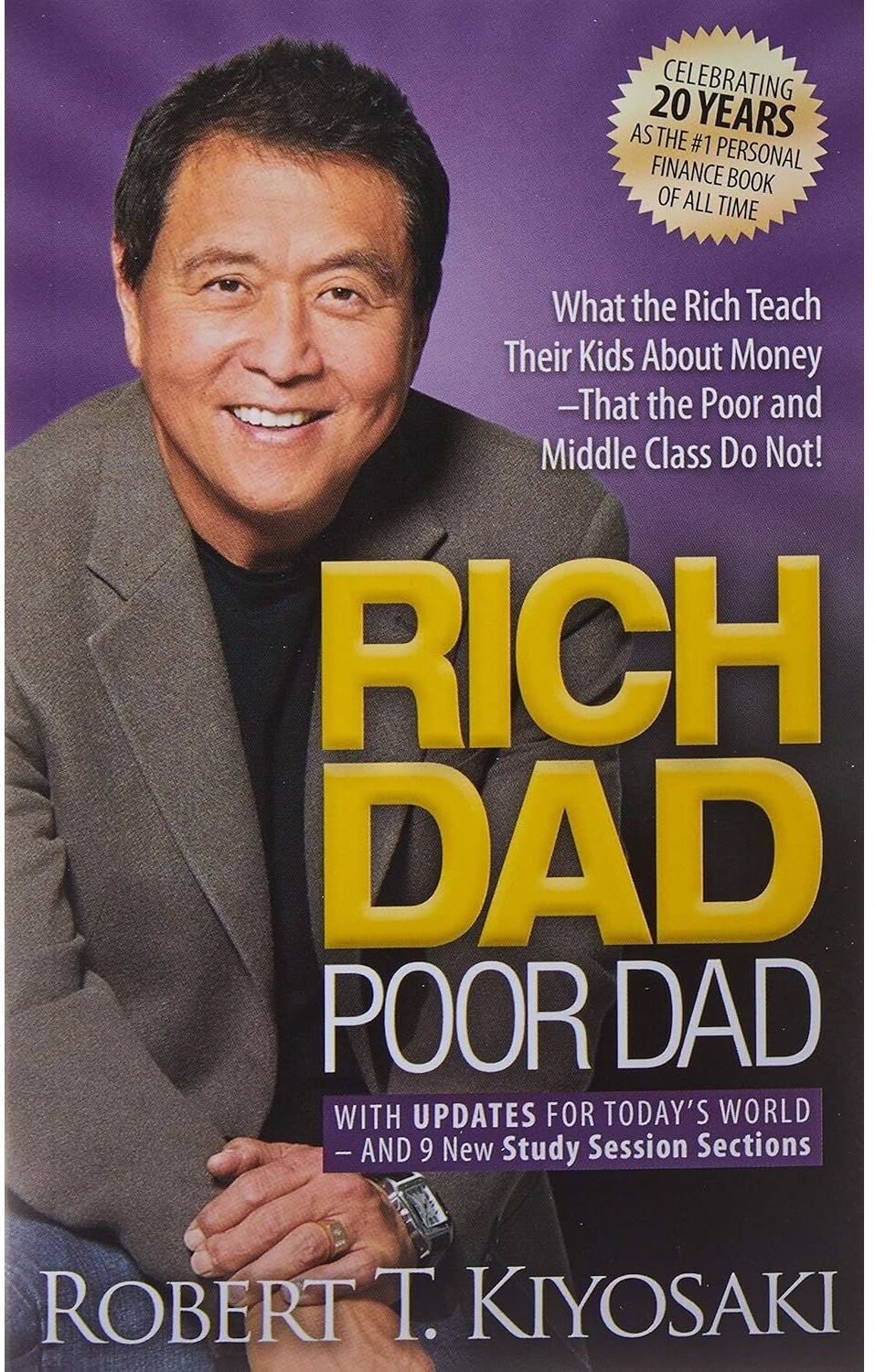
Plata Publishing FAKE: Fake Money, Fake Teachers, Fake Assets & Rich Dad Poor Dad By Robert T. Kiyosaki 2 Books Collection SetFAKE: Fake Money, Fake Teachers, Fake Assets & Rich Dad Poor Dad By Robert T. Kiyosaki 2 Books Collection Set: FAKE: Fake Money, Fake Teachers, Fake Assets: In FAKE: Fake Money, Fake Teachers, Fake Assets, Robert delivers insights and answers that help ordinary people―who probably haven’t had a lot of financial education―determine what’s ‘real’ and relevant to their financial lives. Every day we are bombarded with news reports and information and opinions… How do we decipher fact from fiction? How do we differentiate between truth and lies? And determine what’s real… from what isn’t? Kiyosaki believes that it starts with education, financial education designed to make us smarter with our money―and able to fight what’s fake and use what isn’t to secure our financial future. Rich Dad Poor Dad: Rich Dad Poor Dad is Robert's story of growing up with two dads — his real father and the father of his best friend, his rich dad — and the ways in which both men shaped his thoughts about money and investing. The book explodes the myth that you need to earn a high income to be rich and explains the difference between working for money and having your money work for you.12,95 £*Shipping: 2,99 £Secure redirect to the provider
-
Quercus Publishing The Wealth Habit by Ken & Mary Okoroafor - Sunday Times Bestseller - Paperback - Personal Finance Book for AdultsThe Wealth Habit is a guide to building lasting wealth through small, repeatable habits. Written by money experts Ken and Mary Okoroafor, the founders of The Humble Penny, this book shows that financial freedom is not reserved for the lucky few. Drawing on their own journey to financial independence, achieved debt-free by age 34, the authors offer a behaviour-first system for building wealth. This accessible and motivating read is perfect for anyone looking to change their relationship with money, one simple daily action at a time. Published by Quercus Publishing, this paperback is a Sunday Times bestselling guide to achieving financial freedom through small, achievable steps.6,99 £*Shipping: 2,99 £Secure redirect to the provider
-
Unlocking Wealth: Secrets to Getting Rich at Any Age by Rohit Sarin - Personal Finance Hardback - Aleph Book Company -Unlocking Wealth: Secrets to Getting Rich at Any Age by Rohit Sarin is a practical guide to building lasting financial security. Written by wealth management veteran Rohit Sarin, this book draws on nearly three decades of advising some of India's wealthiest families. Sarin breaks down the mindset, habits, and strategies that separate those who build real wealth from those who don't. The book offers clear, actionable guidance on smart saving habits, sound investment principles, calculated risk-taking, and the psychological traps that keep people from building real wealth. Whether you're starting your career or already managing a substantial portfolio, this hardback provides useful insights for anyone looking to build lasting financial security.2,99 £*Shipping: 2,99 £Secure redirect to the provider
-
Which tangible assets for investment?
Tangible assets for investment can include real estate properties, such as residential or commercial buildings, land, or rental properties. Other tangible assets may include precious metals like gold and silver, artwork, collectibles, or even vintage cars. These assets have the potential to appreciate in value over time and can provide a source of passive income through rental yields or capital appreciation upon resale. It is important to carefully research and evaluate the market conditions and potential risks associated with each type of tangible asset before making an investment decision. **
-
From when does assets count as exempt assets?
Assets are considered exempt assets when they meet specific criteria set by the government or relevant authorities. These criteria may include the type of asset, its value, and the purpose for which it is held. Exempt assets are typically protected from being seized or liquidated in certain situations, such as bankruptcy or legal proceedings. It is important to understand the rules and regulations governing exempt assets to ensure proper protection and planning for financial security. **
-
What is the difference between current assets and fixed assets?
Current assets are assets that are expected to be converted into cash or used up within one year, such as cash, accounts receivable, and inventory. Fixed assets, on the other hand, are long-term assets that are not expected to be converted into cash within one year, such as property, plant, and equipment. In summary, current assets are short-term assets that are expected to be used up or converted into cash within one year, while fixed assets are long-term assets that are used to generate income over a longer period of time. **
-
What is the difference between fixed assets and current assets?
Fixed assets are long-term assets that a company owns and uses to generate revenue, such as buildings, machinery, and equipment. These assets are not easily converted into cash and are expected to provide benefits to the company for more than one year. On the other hand, current assets are short-term assets that can be easily converted into cash within one year, such as cash, accounts receivable, and inventory. Current assets are used to support the day-to-day operations of a business and are essential for its liquidity and short-term financial health. **
Similar search terms for Assets
-
Quercus Publishing Financial Joy & The Wealth Habit by Ken & Mary Okoroafor - Paperback 2 Book Set - Personal Finance & Money HabitsAchieve financial freedom with this two-book collection by Ken and Mary Okoroafor. The set includes 'Financial Joy' and 'The Wealth Habit', two paperbacks that offer a complete roadmap to financial independence. Written from the authors' lived experience, this collection combines practical budgeting steps with small daily habits that compound into lasting wealth. The authors, founders of The Humble Penny and The Financial Joy Academy, share the strategies they used to pay off their mortgage and achieve financial independence by age 34. This set is ideal for anyone starting or restarting their money journey, and provides a life-changing plan to help readers turn their finances around while still enjoying life.13,99 £*Shipping: 2,99 £Secure redirect to the provider
-
Rupa Publications RICH ENERGY: The Sexy Science of Saving & Stacking Wealth by Malcolm Tate - Paperback - Personal Finance & Money Mindset BookRich Energy: The Sexy Science of Saving; Stacking Wealth by Malcolm Tate is a contemporary take on personal finance that treats money as a mindset rather than a magic trick. Author Malcolm Tate reframes saving, spending, and investing as everyday habits rather than distant goals, giving readers a confident and accessible entry point into building lasting financial wellbeing without the jargon or judgment usually attached to money advice. This paperback book approaches personal finance as a lifestyle upgrade, focusing on the psychology behind spending triggers, the quiet discipline behind consistent saving, and the confidence that comes from understanding your financial situation. Published by Rupa Publications, this book offers a fresh perspective on managing your finances and achieving financial stability.2,99 £*Shipping: 2,99 £Secure redirect to the provider
-
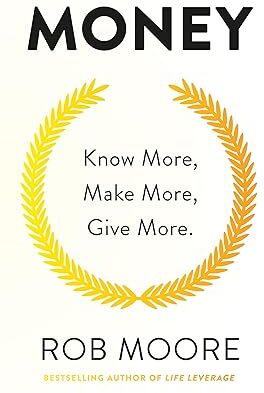
John Murray One Money: Know More, Make More, Give More by Rob Moore - Personal Finance Paperback - New - Practical Guide to Building WealthA straight-talking guide to financial independence, 'Money: Know More, Make More, Give More' by Rob Moore is ideal for aspiring entrepreneurs, first-time investors, or anyone looking to change their approach to earning, saving, and growing their money. Rob Moore, a self-made multi-millionaire and property investor, distills years of experience into a practical roadmap that breaks down the real rules of the money game. He argues that financial success is not down to luck or a single big break, but rather a game with knowable rules that can be understood and followed. This brand-new paperback is a must-read for anyone looking to take control of their finances and achieve financial independence.7,99 £*Shipping: 2,99 £Secure redirect to the provider
-
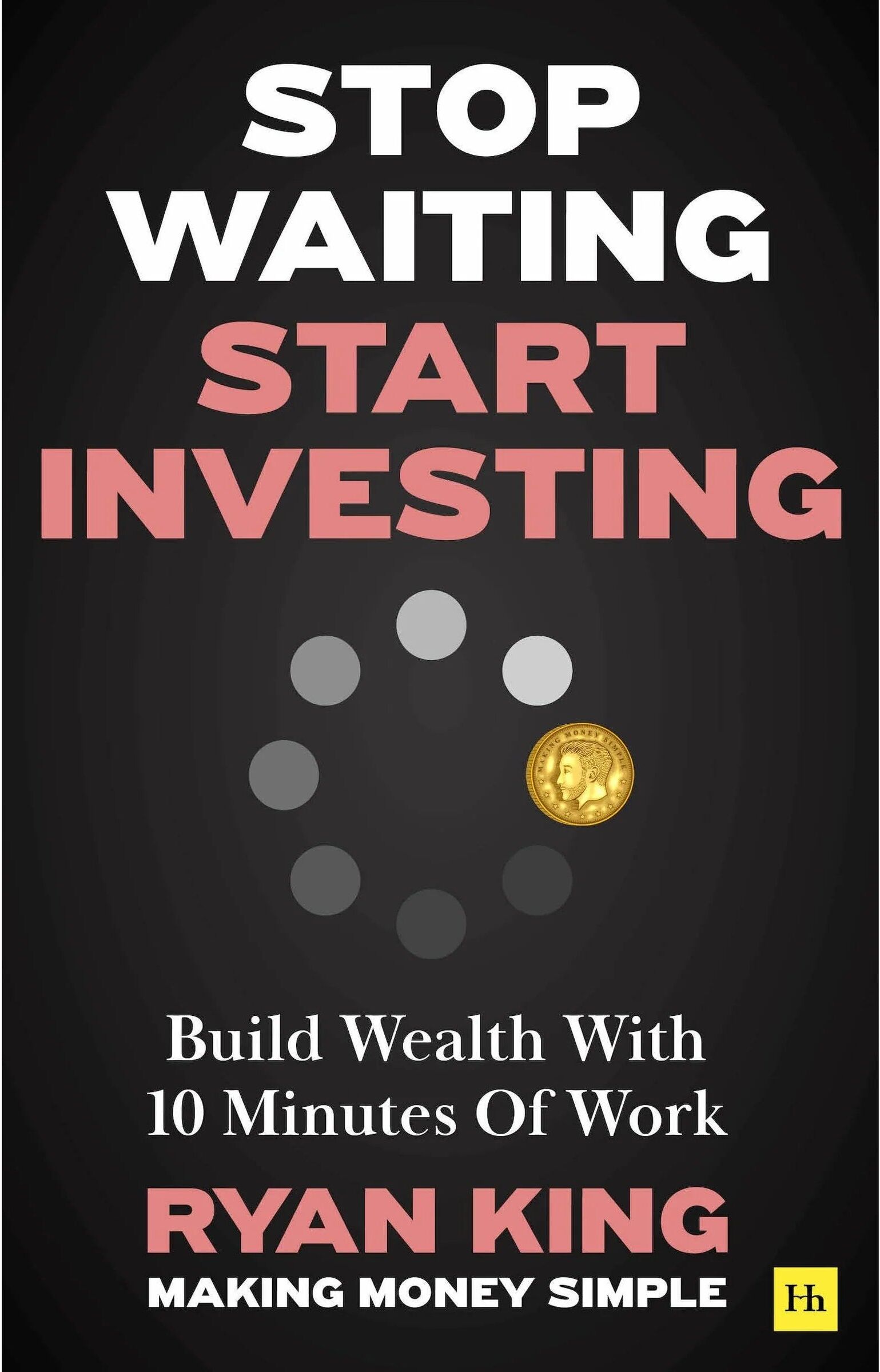
Harriman House Stop Waiting, Start Investing by Ryan King - Paperback Investing Guide - Build Wealth With 10 Minutes Of Work - Personal Finance BookBuild wealth with just 10 minutes of work a day using the stock market with this practical guide. Written by finance content creator and chartered accountant Ryan King, the book offers a simple, passive, automated approach to investing that fits around a busy life. Whether you're starting from scratch or refining an existing strategy, you'll be given the tools and confidence to take control of your financial future. This book directly addresses common hesitations about investing, guiding you step by step through the fundamentals of stock market investing in clear, accessible language. Ryan King draws on his own experience and expertise to provide a beginner-friendly guide to building long-term wealth.11,99 £*Shipping: 2,99 £Secure redirect to the provider
-
What is the difference between net assets and operating assets?
Net assets refer to the total assets of a company minus its total liabilities, representing the company's equity or ownership value. On the other hand, operating assets are the assets that a company uses in its day-to-day operations to generate revenue. Operating assets are a subset of net assets and include items such as inventory, equipment, and accounts receivable. In summary, net assets represent the overall financial position of a company, while operating assets specifically pertain to the assets used in the company's core business activities. **
-
How is equity, debt capital, current assets, and fixed assets combined?
Equity, debt capital, current assets, and fixed assets are combined on a company's balance sheet. Equity represents the ownership interest of the shareholders, while debt capital represents the funds borrowed by the company. Current assets, such as cash, inventory, and accounts receivable, are combined with fixed assets, such as property, plant, and equipment, to represent the total assets of the company. These components are combined to provide a snapshot of the company's financial position and to show how the company has financed its operations and investments. **
-
What are special assets?
Special assets refer to unique or high-value assets that require special attention and management due to their distinct characteristics or significance. These assets may include rare collectibles, high-end real estate, valuable intellectual property, or unique investment opportunities. Special assets often require specialized expertise and strategic planning to maximize their value and mitigate risks. Proper management of special assets is essential to ensure their preservation and to capitalize on their potential for long-term growth and financial success. **
-
What are brand assets?
Brand assets are the elements that contribute to the overall value and recognition of a brand. These can include tangible assets such as logos, slogans, and packaging, as well as intangible assets like brand reputation, customer loyalty, and brand associations. Brand assets help to differentiate a brand from its competitors, build brand awareness, and create a strong brand identity in the minds of consumers. They are essential for establishing a brand's presence in the market and fostering long-term relationships with customers. **
* All prices are inclusive of VAT and, if applicable, plus shipping costs. The offer information is based on the details provided by the respective shop and is updated through automated processes. Real-time updates do not occur, so deviations can occur in individual cases. ** Note: Parts of this content were created by AI.