Buy vermögensverwaltung.eu ?
We are moving the project
vermögensverwaltung.eu .
Are you interested in purchasing the domain
vermögensverwaltung.eu ?
domain@kv-gmbh.de · 0541-91531010
Buy vermögensverwaltung.eu ?
Is a self-occupied home an asset or a liability?
A self-occupied home can be considered both an asset and a liability, depending on the context. From a financial perspective, a self-occupied home is typically seen as an asset because it has the potential to appreciate in value over time and can be used as collateral for loans. However, it can also be considered a liability due to ongoing expenses such as mortgage payments, property taxes, maintenance, and repairs. Ultimately, whether a self-occupied home is viewed as an asset or a liability will depend on individual circumstances and financial goals. **
Is the account Sales Revenue an asset or liability account?
Sales Revenue is neither an asset nor a liability account. It is a temporary equity account that represents the total amount of revenue generated from the sale of goods or services. It is closed at the end of the accounting period to the Retained Earnings account in order to calculate the net income for the period. **

Similar search terms for Liability
Top-Angebote
Products related to Liability:
-
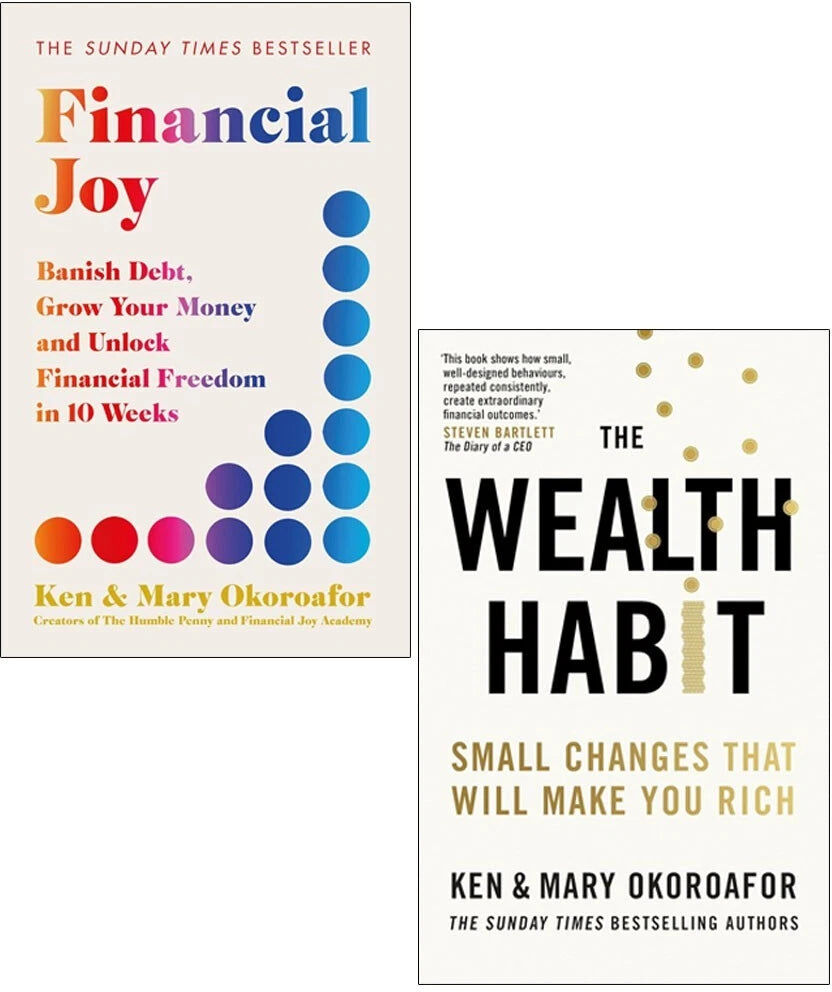
Quercus Publishing Financial Joy & The Wealth Habit by Ken & Mary Okoroafor - Paperback 2 Book Set - Personal Finance & Money HabitsAchieve financial freedom with this two-book collection by Ken and Mary Okoroafor. The set includes 'Financial Joy' and 'The Wealth Habit', two paperbacks that offer a complete roadmap to financial independence. Written from the authors' lived experience, this collection combines practical budgeting steps with small daily habits that compound into lasting wealth. The authors, founders of The Humble Penny and The Financial Joy Academy, share the strategies they used to pay off their mortgage and achieve financial independence by age 34. This set is ideal for anyone starting or restarting their money journey, and provides a life-changing plan to help readers turn their finances around while still enjoying life.13,99 £*Shipping: 2,99 £Secure redirect to the provider
-
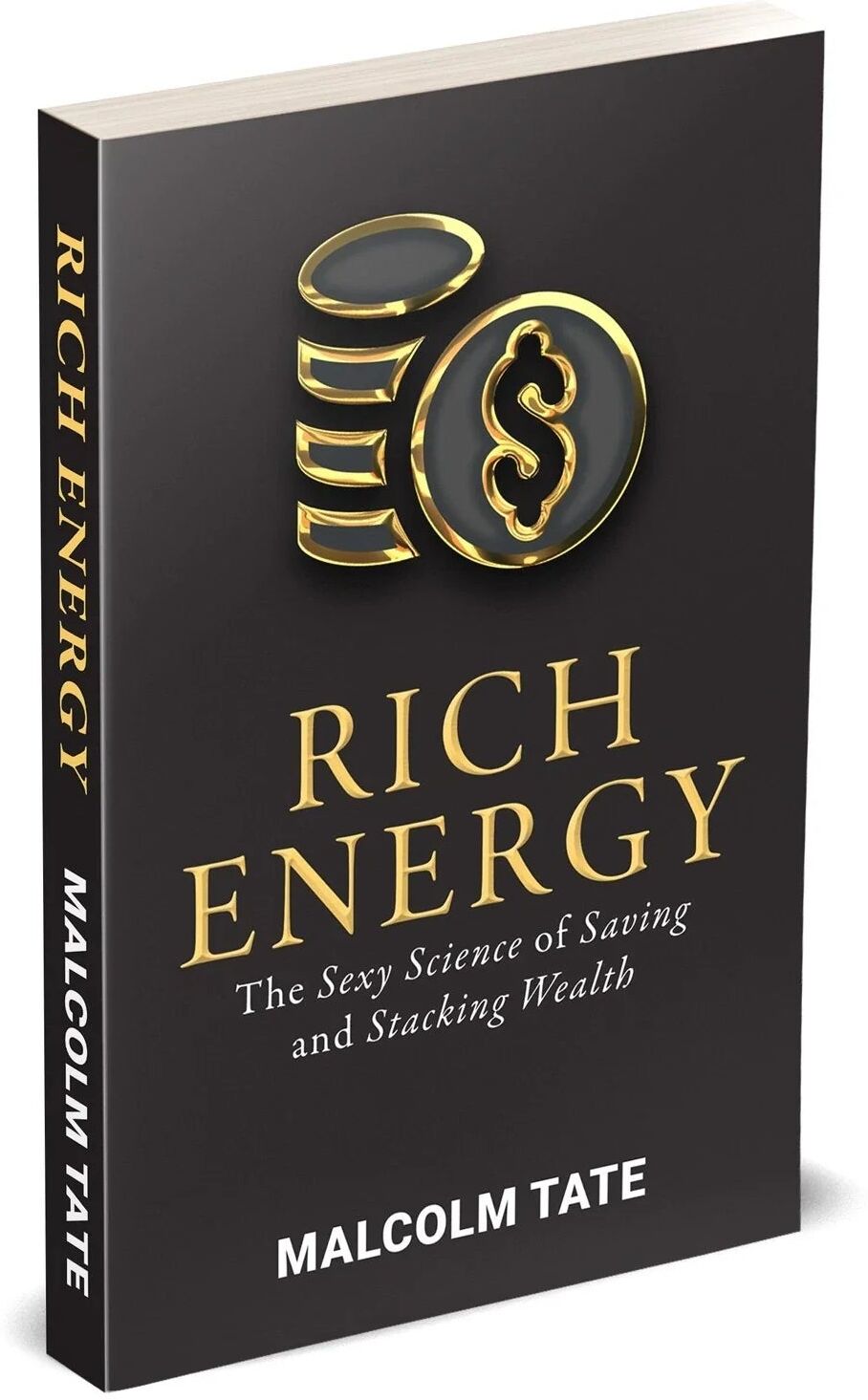
Rupa Publications RICH ENERGY: The Sexy Science of Saving & Stacking Wealth by Malcolm Tate - Paperback - Personal Finance & Money Mindset BookRich Energy: The Sexy Science of Saving; Stacking Wealth by Malcolm Tate is a contemporary take on personal finance that treats money as a mindset rather than a magic trick. Author Malcolm Tate reframes saving, spending, and investing as everyday habits rather than distant goals, giving readers a confident and accessible entry point into building lasting financial wellbeing without the jargon or judgment usually attached to money advice. This paperback book approaches personal finance as a lifestyle upgrade, focusing on the psychology behind spending triggers, the quiet discipline behind consistent saving, and the confidence that comes from understanding your financial situation. Published by Rupa Publications, this book offers a fresh perspective on managing your finances and achieving financial stability.2,99 £*Shipping: 2,99 £Secure redirect to the provider
-
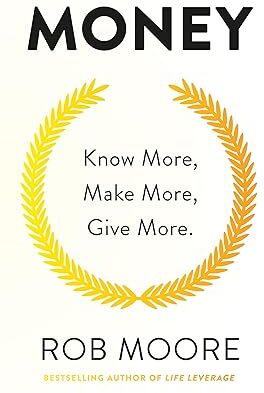
John Murray One Money: Know More, Make More, Give More by Rob Moore - Personal Finance Paperback - New - Practical Guide to Building WealthA straight-talking guide to financial independence, 'Money: Know More, Make More, Give More' by Rob Moore is ideal for aspiring entrepreneurs, first-time investors, or anyone looking to change their approach to earning, saving, and growing their money. Rob Moore, a self-made multi-millionaire and property investor, distills years of experience into a practical roadmap that breaks down the real rules of the money game. He argues that financial success is not down to luck or a single big break, but rather a game with knowable rules that can be understood and followed. This brand-new paperback is a must-read for anyone looking to take control of their finances and achieve financial independence.7,99 £*Shipping: 2,99 £Secure redirect to the provider
-
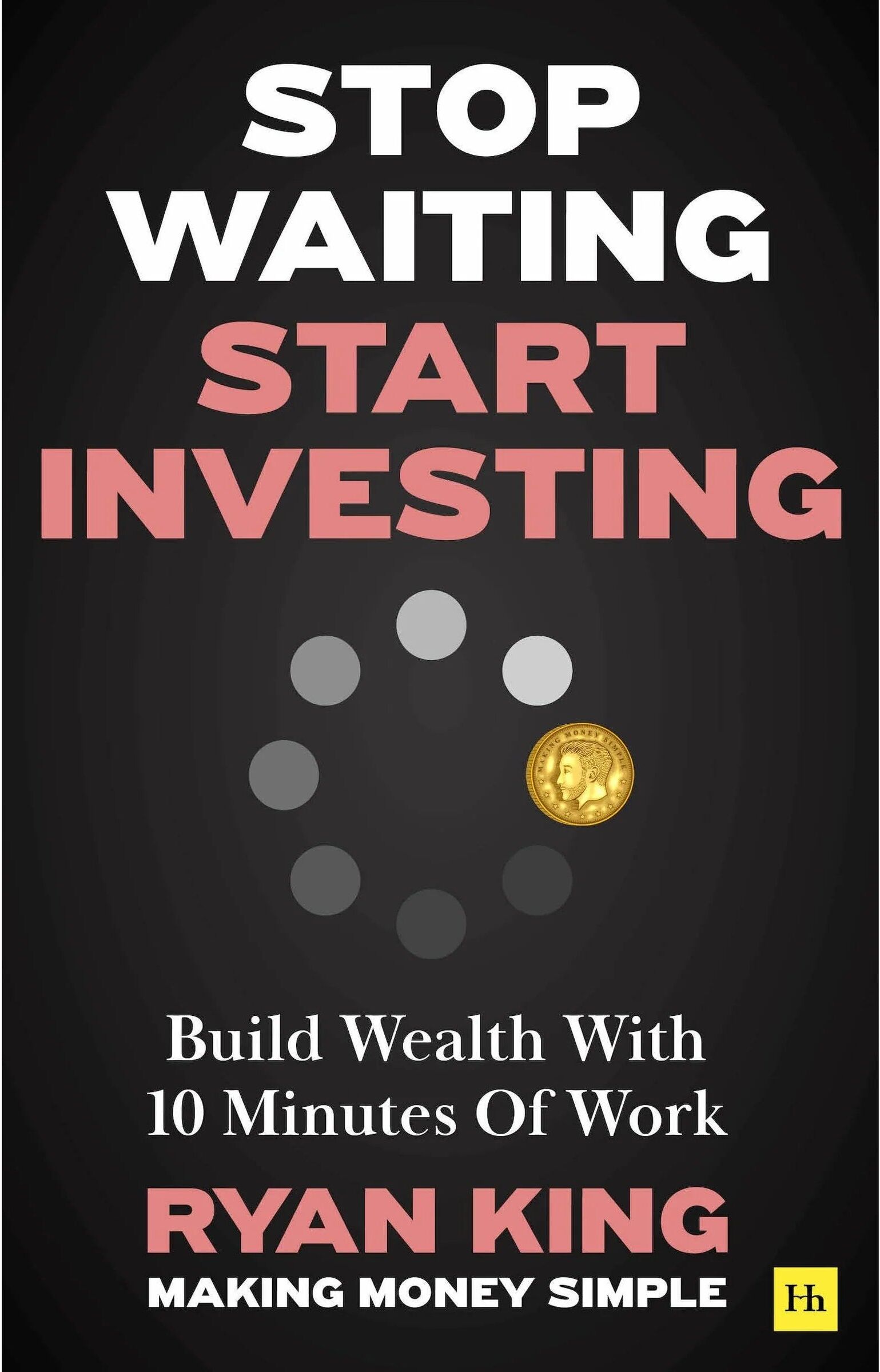
Harriman House Stop Waiting, Start Investing by Ryan King - Paperback Investing Guide - Build Wealth With 10 Minutes Of Work - Personal Finance BookBuild wealth with just 10 minutes of work a day using the stock market with this practical guide. Written by finance content creator and chartered accountant Ryan King, the book offers a simple, passive, automated approach to investing that fits around a busy life. Whether you're starting from scratch or refining an existing strategy, you'll be given the tools and confidence to take control of your financial future. This book directly addresses common hesitations about investing, guiding you step by step through the fundamentals of stock market investing in clear, accessible language. Ryan King draws on his own experience and expertise to provide a beginner-friendly guide to building long-term wealth.11,99 £*Shipping: 2,99 £Secure redirect to the provider
-
What is the market risk in the asset and liability business?
Market risk in the asset and liability business refers to the potential for financial loss due to fluctuations in market conditions such as interest rates, exchange rates, and asset prices. This risk arises from the fact that assets and liabilities may have different sensitivities to market changes, leading to imbalances in the financial position of the business. Managing market risk is crucial for asset and liability businesses to ensure they can meet their financial obligations and maintain a stable financial position in changing market environments. Strategies such as hedging, diversification, and stress testing are commonly used to mitigate market risk in this type of business. **
-
What is the market impact in the asset and liability business?
The market impact in the asset and liability business refers to the influence that market conditions and fluctuations have on the value and performance of a company's assets and liabilities. Market impact can affect the profitability, risk exposure, and overall financial health of a business. For example, changes in interest rates can impact the value of a company's assets and liabilities, while market volatility can affect the prices of financial instruments held by the company. Managing market impact is crucial for businesses to effectively hedge against risks and optimize their financial performance. **
-
Why is a purchase on credit not an asset, but a liability?
A purchase on credit is not considered an asset because it does not represent ownership of a tangible or intangible item that has value. Instead, it represents a liability because it is a debt that the purchaser owes to the creditor. The purchaser is obligated to repay the amount borrowed, along with any interest or fees, which creates a financial obligation or liability. Therefore, a purchase on credit is recorded as a liability on the purchaser's balance sheet, rather than as an asset. **
-
Is a university degree or a dual study program more suitable for a portfolio asset management portfolio?
A university degree in finance or a related field can provide a strong foundation of theoretical knowledge and analytical skills that are essential for asset management. On the other hand, a dual study program offers a combination of theoretical learning and practical experience through on-the-job training, which can be highly beneficial for gaining real-world insights into portfolio management. Ultimately, the choice between a university degree and a dual study program depends on individual preferences, career goals, and learning style. Both options can be suitable for a career in asset management, but a dual study program may offer more hands-on experience in managing portfolios. **

Is it an asset or a liability when we deposit cash into our bank account?
Depositing cash into a bank account is considered an asset. This is because the cash deposited increases the balance in the bank account, which is an asset for the account holder. The deposited cash can be used for various purposes such as making payments, earning interest, or investing in other assets. Overall, depositing cash into a bank account is a way to increase one's financial assets and liquidity. **
What is joint liability?
Joint liability refers to the legal responsibility shared by two or more parties for a debt or obligation. This means that each party is individually responsible for the full amount of the debt, and can be held accountable for the entire obligation if the other party fails to fulfill their share. In the context of loans or contracts, joint liability provides creditors or other parties with the assurance that they can seek repayment from any of the parties involved, regardless of who may be more financially capable. **
Top-Angebote
Products related to Liability:
-
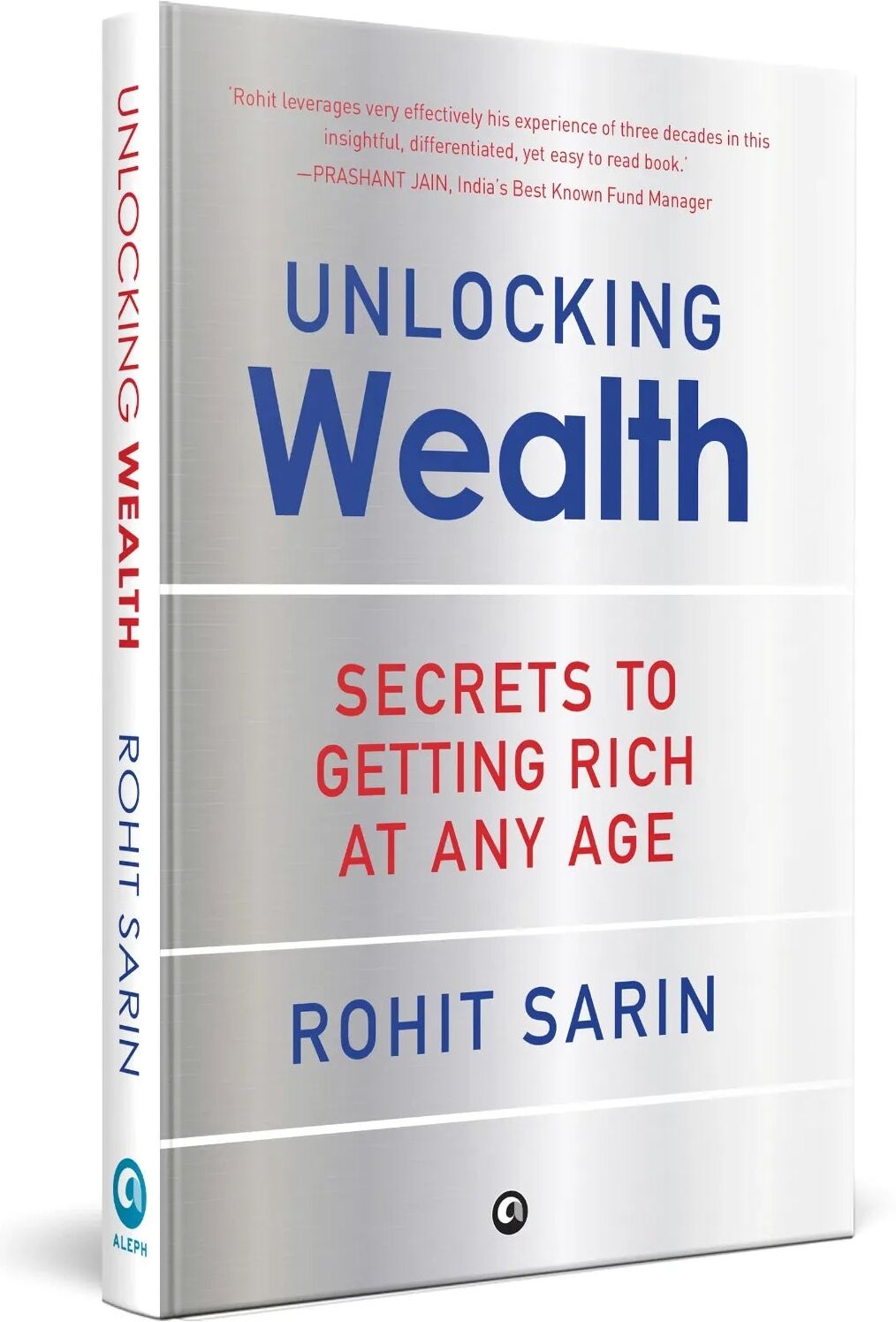
Unlocking Wealth: Secrets to Getting Rich at Any Age by Rohit Sarin - Personal Finance Hardback - Aleph Book Company -Unlocking Wealth: Secrets to Getting Rich at Any Age by Rohit Sarin is a practical guide to building lasting financial security. Written by wealth management veteran Rohit Sarin, this book draws on nearly three decades of advising some of India's wealthiest families. Sarin breaks down the mindset, habits, and strategies that separate those who build real wealth from those who don't. The book offers clear, actionable guidance on smart saving habits, sound investment principles, calculated risk-taking, and the psychological traps that keep people from building real wealth. Whether you're starting your career or already managing a substantial portfolio, this hardback provides useful insights for anyone looking to build lasting financial security.2,99 £*Shipping: 2,99 £Secure redirect to the provider
-
Quercus Publishing The Wealth Habit by Ken & Mary Okoroafor - Sunday Times Bestseller - Paperback - Personal Finance Book for AdultsThe Wealth Habit is a guide to building lasting wealth through small, repeatable habits. Written by money experts Ken and Mary Okoroafor, the founders of The Humble Penny, this book shows that financial freedom is not reserved for the lucky few. Drawing on their own journey to financial independence, achieved debt-free by age 34, the authors offer a behaviour-first system for building wealth. This accessible and motivating read is perfect for anyone looking to change their relationship with money, one simple daily action at a time. Published by Quercus Publishing, this paperback is a Sunday Times bestselling guide to achieving financial freedom through small, achievable steps.6,99 £*Shipping: 2,99 £Secure redirect to the provider
-
Quercus Publishing Financial Joy & The Wealth Habit by Ken & Mary Okoroafor - Paperback 2 Book Set - Personal Finance & Money HabitsAchieve financial freedom with this two-book collection by Ken and Mary Okoroafor. The set includes 'Financial Joy' and 'The Wealth Habit', two paperbacks that offer a complete roadmap to financial independence. Written from the authors' lived experience, this collection combines practical budgeting steps with small daily habits that compound into lasting wealth. The authors, founders of The Humble Penny and The Financial Joy Academy, share the strategies they used to pay off their mortgage and achieve financial independence by age 34. This set is ideal for anyone starting or restarting their money journey, and provides a life-changing plan to help readers turn their finances around while still enjoying life.13,99 £*Shipping: 2,99 £Secure redirect to the provider
-
Rupa Publications RICH ENERGY: The Sexy Science of Saving & Stacking Wealth by Malcolm Tate - Paperback - Personal Finance & Money Mindset BookRich Energy: The Sexy Science of Saving; Stacking Wealth by Malcolm Tate is a contemporary take on personal finance that treats money as a mindset rather than a magic trick. Author Malcolm Tate reframes saving, spending, and investing as everyday habits rather than distant goals, giving readers a confident and accessible entry point into building lasting financial wellbeing without the jargon or judgment usually attached to money advice. This paperback book approaches personal finance as a lifestyle upgrade, focusing on the psychology behind spending triggers, the quiet discipline behind consistent saving, and the confidence that comes from understanding your financial situation. Published by Rupa Publications, this book offers a fresh perspective on managing your finances and achieving financial stability.2,99 £*Shipping: 2,99 £Secure redirect to the provider
-
Is a self-occupied home an asset or a liability?
A self-occupied home can be considered both an asset and a liability, depending on the context. From a financial perspective, a self-occupied home is typically seen as an asset because it has the potential to appreciate in value over time and can be used as collateral for loans. However, it can also be considered a liability due to ongoing expenses such as mortgage payments, property taxes, maintenance, and repairs. Ultimately, whether a self-occupied home is viewed as an asset or a liability will depend on individual circumstances and financial goals. **
-
Is the account Sales Revenue an asset or liability account?
Sales Revenue is neither an asset nor a liability account. It is a temporary equity account that represents the total amount of revenue generated from the sale of goods or services. It is closed at the end of the accounting period to the Retained Earnings account in order to calculate the net income for the period. **
-
What is the market risk in the asset and liability business?
Market risk in the asset and liability business refers to the potential for financial loss due to fluctuations in market conditions such as interest rates, exchange rates, and asset prices. This risk arises from the fact that assets and liabilities may have different sensitivities to market changes, leading to imbalances in the financial position of the business. Managing market risk is crucial for asset and liability businesses to ensure they can meet their financial obligations and maintain a stable financial position in changing market environments. Strategies such as hedging, diversification, and stress testing are commonly used to mitigate market risk in this type of business. **
-
What is the market impact in the asset and liability business?
The market impact in the asset and liability business refers to the influence that market conditions and fluctuations have on the value and performance of a company's assets and liabilities. Market impact can affect the profitability, risk exposure, and overall financial health of a business. For example, changes in interest rates can impact the value of a company's assets and liabilities, while market volatility can affect the prices of financial instruments held by the company. Managing market impact is crucial for businesses to effectively hedge against risks and optimize their financial performance. **
Similar search terms for Liability
-
John Murray One Money: Know More, Make More, Give More by Rob Moore - Personal Finance Paperback - New - Practical Guide to Building WealthA straight-talking guide to financial independence, 'Money: Know More, Make More, Give More' by Rob Moore is ideal for aspiring entrepreneurs, first-time investors, or anyone looking to change their approach to earning, saving, and growing their money. Rob Moore, a self-made multi-millionaire and property investor, distills years of experience into a practical roadmap that breaks down the real rules of the money game. He argues that financial success is not down to luck or a single big break, but rather a game with knowable rules that can be understood and followed. This brand-new paperback is a must-read for anyone looking to take control of their finances and achieve financial independence.7,99 £*Shipping: 2,99 £Secure redirect to the provider
-
Harriman House Stop Waiting, Start Investing by Ryan King - Paperback Investing Guide - Build Wealth With 10 Minutes Of Work - Personal Finance BookBuild wealth with just 10 minutes of work a day using the stock market with this practical guide. Written by finance content creator and chartered accountant Ryan King, the book offers a simple, passive, automated approach to investing that fits around a busy life. Whether you're starting from scratch or refining an existing strategy, you'll be given the tools and confidence to take control of your financial future. This book directly addresses common hesitations about investing, guiding you step by step through the fundamentals of stock market investing in clear, accessible language. Ryan King draws on his own experience and expertise to provide a beginner-friendly guide to building long-term wealth.11,99 £*Shipping: 2,99 £Secure redirect to the provider
-
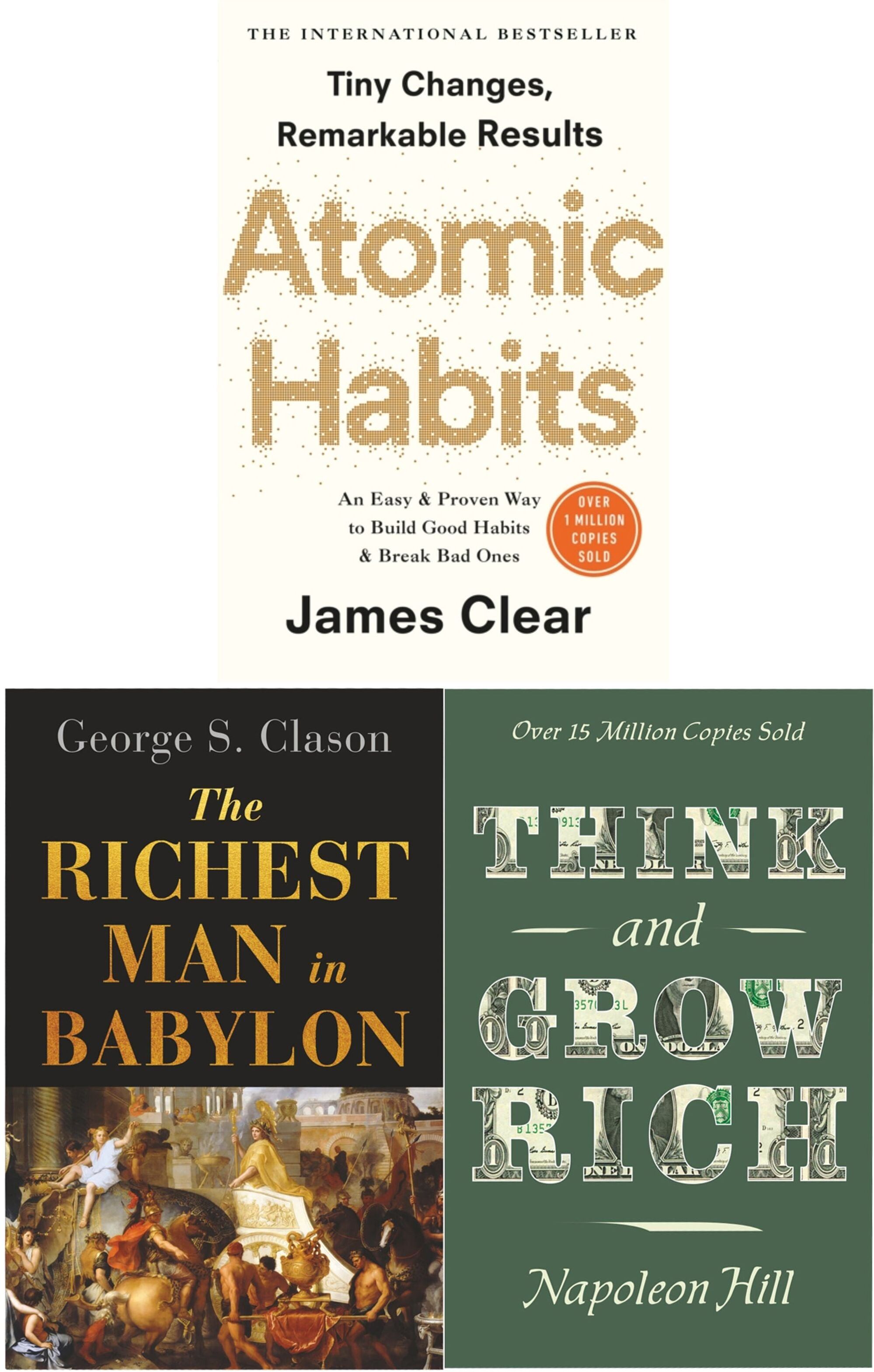
Cornerstone/Wilco Atomic Habits, The Richest Man in Babylon & Think and Grow Rich – 3 Book Collection Set Personal Finance, Wealth & Self-Development ClassicsTransform your habits, mindset, and financial future with this powerful 3-book collection set, featuring three of the most influential books on success, wealth, and personal growth. This essential bundle includes: Atomic Habits by James Clear – Discover how small, consistent habits can lead to extraordinary results and lasting success. The Richest Man in Babylon by George S. Clason – Learn timeless principles of saving, investing, and building wealth through simple financial wisdom. Think and Grow Rich by Napoleon Hill – Unlock the mindset and strategies behind achievement, success, and financial independence. Together, these books provide a complete guide to building better habits, mastering your finances, and developing a success-driven mindset. Ideal for entrepreneurs, professionals, students, and anyone looking to improve their life. Why Readers Love This Collection: Includes 3 bestselling self-help and finance classics Covers habits, wealth-building, and success mindset Practical, timeless advice for real-life results Suitable for beginners and experienced readers Perfect gift for motivation and personal growth A must-have bundle for anyone serious about success, this collection offers proven strategies for achieving long-term growth and financial freedom.14,99 £*Shipping: 2,99 £Secure redirect to the provider
-
Plata Publishing Why the Rich Are Getting Richer by Robert T. Kiyosaki & Tom Wheelwright - Paperback - Personal Finance & Wealth-Building Non Fiction for AdultsWhy the Rich Are Getting Richer is a thought-provoking follow-up to Rich Dad Poor Dad, co-written by Robert T. Kiyosaki and CPA Tom Wheelwright. This paperback book strips away financial jargon to explain, in plain language, why the wealth gap keeps widening and why traditional schooling rarely teaches real financial education. Aimed at adults ready to question conventional money advice, it blends Kiyosaki's storytelling with Wheelwright's technical expertise on tax and business structures, offering a fresh, accessible entry point into the wider Rich Dad philosophy for readers of all financial backgrounds. The book argues that the traditional formula of saving money, buying a home, and investing in a diversified stock portfolio no longer guarantees financial security, particularly for those who depend solely on a salary. Kiyosaki and Wheelwright examine how tax strategies and business structures can impact financial success, providing a valuable resource for anyone looking to improve their financial literacy.8,99 £*Shipping: 2,99 £Secure redirect to the provider
-
Why is a purchase on credit not an asset, but a liability?
A purchase on credit is not considered an asset because it does not represent ownership of a tangible or intangible item that has value. Instead, it represents a liability because it is a debt that the purchaser owes to the creditor. The purchaser is obligated to repay the amount borrowed, along with any interest or fees, which creates a financial obligation or liability. Therefore, a purchase on credit is recorded as a liability on the purchaser's balance sheet, rather than as an asset. **
-
Is a university degree or a dual study program more suitable for a portfolio asset management portfolio?
A university degree in finance or a related field can provide a strong foundation of theoretical knowledge and analytical skills that are essential for asset management. On the other hand, a dual study program offers a combination of theoretical learning and practical experience through on-the-job training, which can be highly beneficial for gaining real-world insights into portfolio management. Ultimately, the choice between a university degree and a dual study program depends on individual preferences, career goals, and learning style. Both options can be suitable for a career in asset management, but a dual study program may offer more hands-on experience in managing portfolios. **
-
Is it an asset or a liability when we deposit cash into our bank account?
Depositing cash into a bank account is considered an asset. This is because the cash deposited increases the balance in the bank account, which is an asset for the account holder. The deposited cash can be used for various purposes such as making payments, earning interest, or investing in other assets. Overall, depositing cash into a bank account is a way to increase one's financial assets and liquidity. **
-
What is joint liability?
Joint liability refers to the legal responsibility shared by two or more parties for a debt or obligation. This means that each party is individually responsible for the full amount of the debt, and can be held accountable for the entire obligation if the other party fails to fulfill their share. In the context of loans or contracts, joint liability provides creditors or other parties with the assurance that they can seek repayment from any of the parties involved, regardless of who may be more financially capable. **
* All prices are inclusive of VAT and, if applicable, plus shipping costs. The offer information is based on the details provided by the respective shop and is updated through automated processes. Real-time updates do not occur, so deviations can occur in individual cases. ** Note: Parts of this content were created by AI.